A platform serving 2M+ tickets across 300+ events annually.
Platinium Group operates large-scale ticketing for premium international sports events — MotoGP, Juventus FC, Euroleague, festivals, trade shows and cultural venues. The previous platform (V4) had accumulated years of feature additions without a coherent system. Visual customization was limited, layouts weren't adapted to different event typologies, and every new client required near-custom development.
The core tension: flexibility vs. control, customization vs. usability, business needs vs. user needs. V7's challenge was not only functional scalability — but enabling premium brand differentiation within a controlled product ecosystem.
Three pillars: templates, modularity, brand-driven customization.
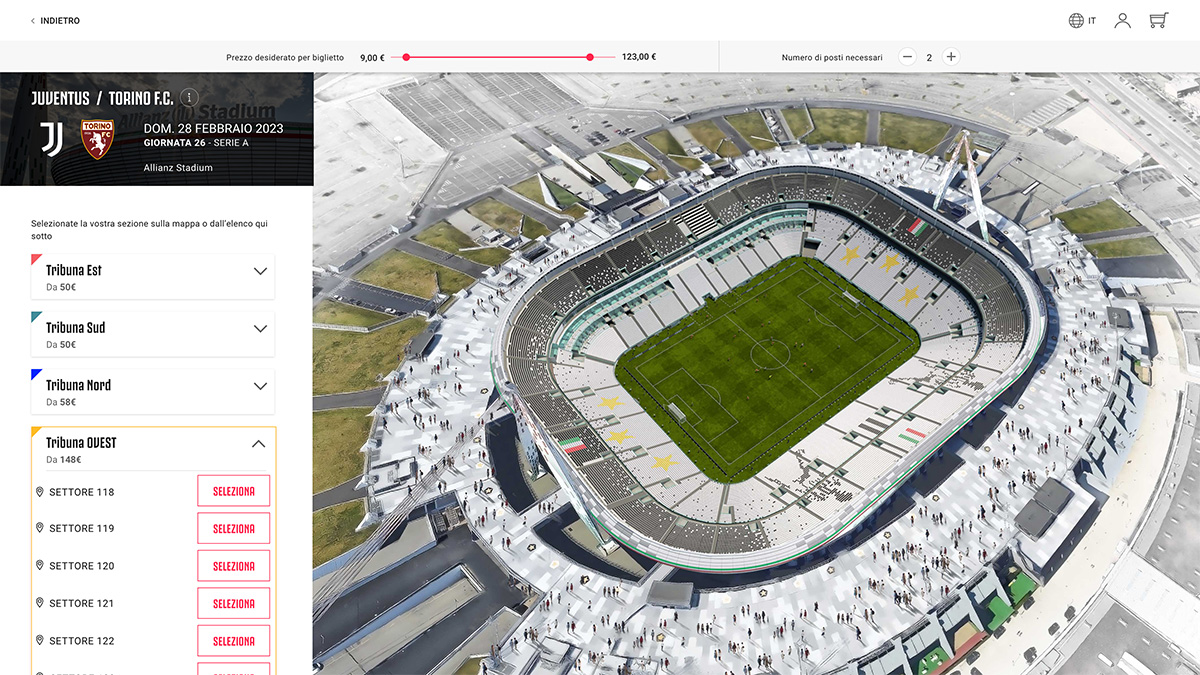
Instead of one generic layout, I designed 5 dedicated event templates — Calendar view, Racing event, 2D seating, 3D seating, and VIP/Hospitality. Each addresses a specific user mental model. A MotoGP fan browsing Grand Prix tickets has fundamentally different needs than someone buying Juventus hospitality — both handled coherently within the same system.
11 modular content blocks (text, images, sliders, video, maps, informational sections) allow rich event storytelling without custom development per client. A dedicated Styling Module handles color palettes, font integration, logo/imagery, and global visual rules — letting brands fully express their identity without breaking usability or accessibility standards.
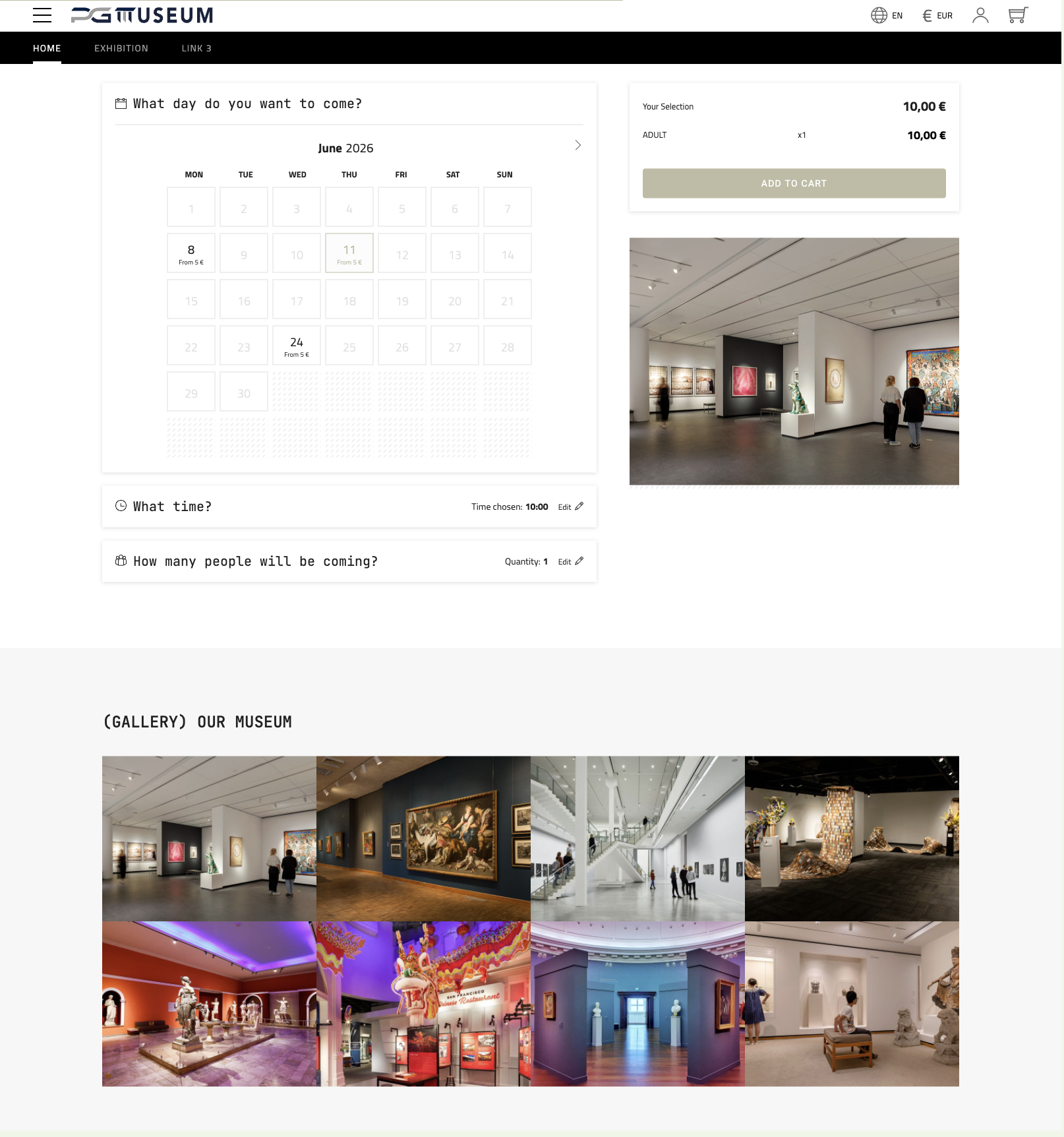
5 event-type templates — Racing, Calendar, 2D seating, 3D seating, VIP
Built to support radically different brand identities.
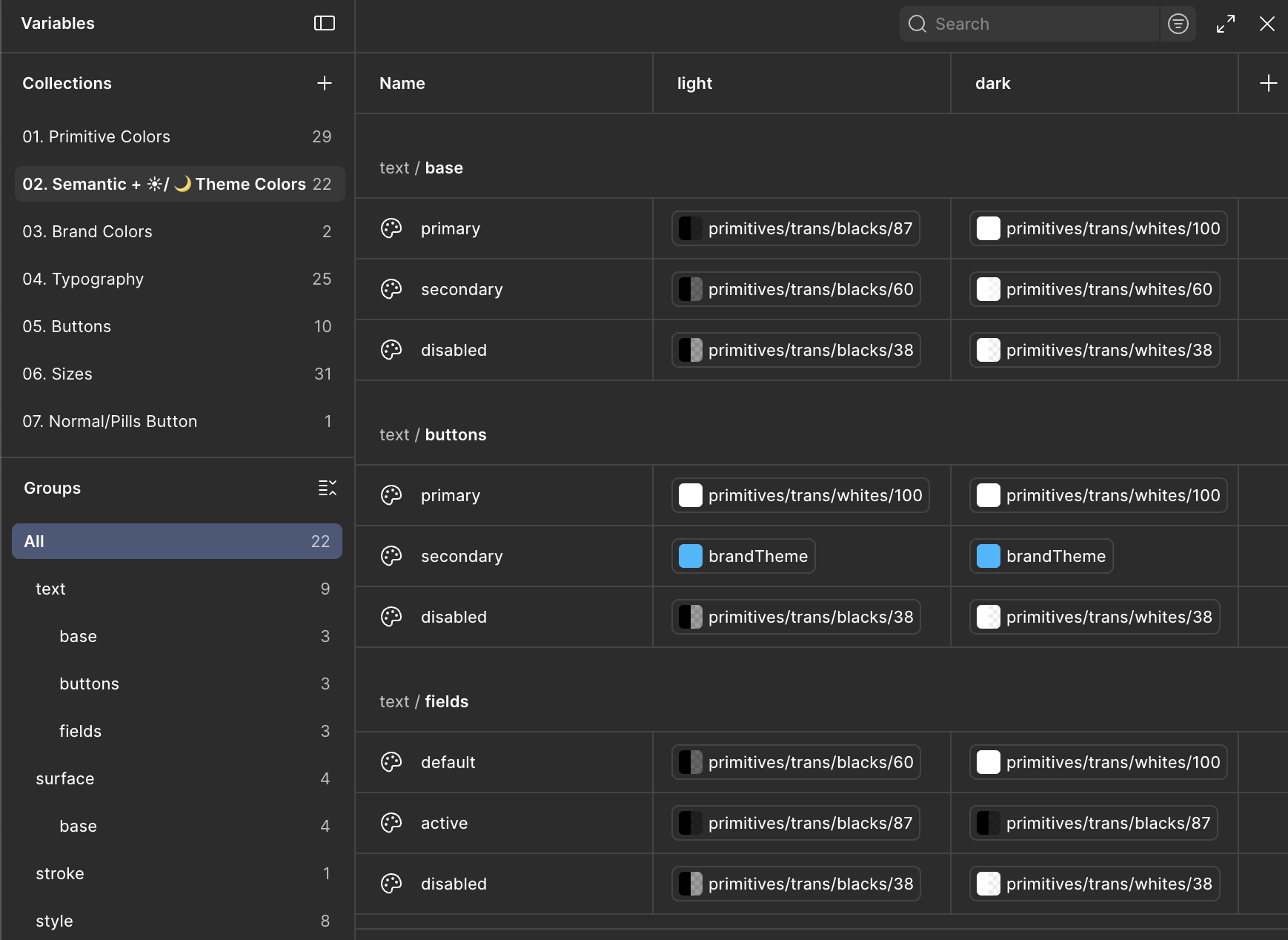
The design system was created from scratch to support V7 scalability: neutral base palette, primary color logic with opacity-based interaction states, reusable components shared across all 5 templates, design token architecture, and a multi-brand Figma structure. Typographic hierarchy is adaptable to any brand font.
The system needed to support radically different visual identities — from MotoGP red to Juventus black/white to festival palettes — without requiring custom front-end development. Branding is treated as part of the product experience, not a marketing layer added afterward.
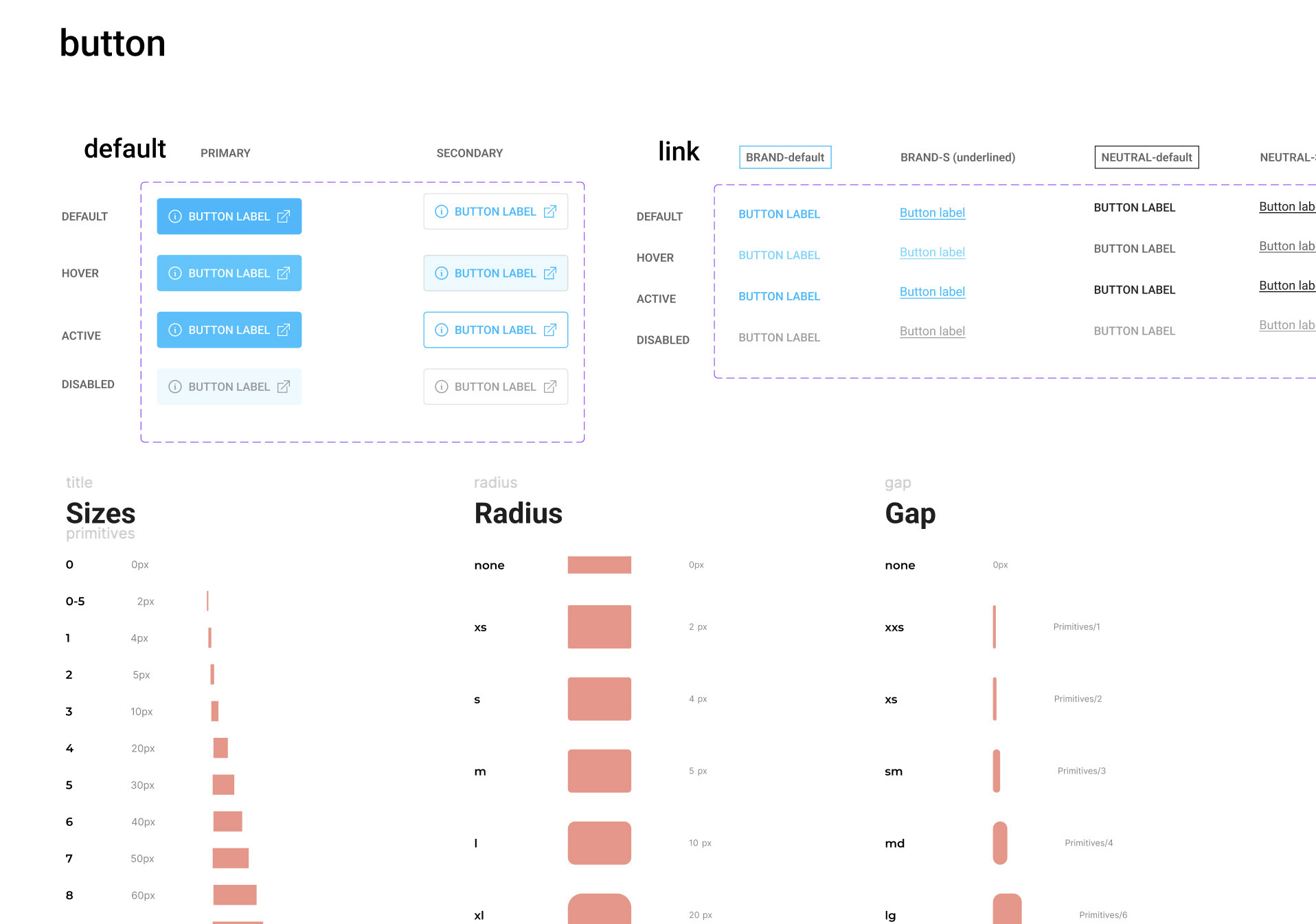
Design system — tokens, components, button states, spacing
Discovery → Architecture → System → UI → QA.
Product discovery: platform constraints, client branding requirements, operational workflows, purchase journeys, technical feasibility with developers. Key insights: event types require different content structures; clients want autonomy without breaking layouts; visual identity is a business differentiator; purchase flow must be frictionless.
From low-fidelity wireframes validated with stakeholders to high-fidelity responsive designs (desktop, tablet, mobile), then cross-device QA with Jira issue tracking. Post-launch: ongoing visual content creation, functional updates, new client onboarding. AI-assisted design exploration — Claude + Figma combination for component generation and UI variations — reduced back-and-forth cycles and accelerated design decisions at scale.

Final UI — Juventus seat selection · Festival layout · MotoGP 2D map
Shipped. Used internationally. Measurable impact.
Ticketshop V7 is live across multiple international clients simultaneously. Strong adaptability to radically different brand identities, improved visual consistency across events, more efficient back-office configuration for internal teams.
From the Head of Product: 15% conversion uplift on seat map UX, NPS improved from +29 to +37. 75% reduction in rework. Reduced dependency on development teams for client-side customization and content management. Established a long-term foundation for future product evolution.